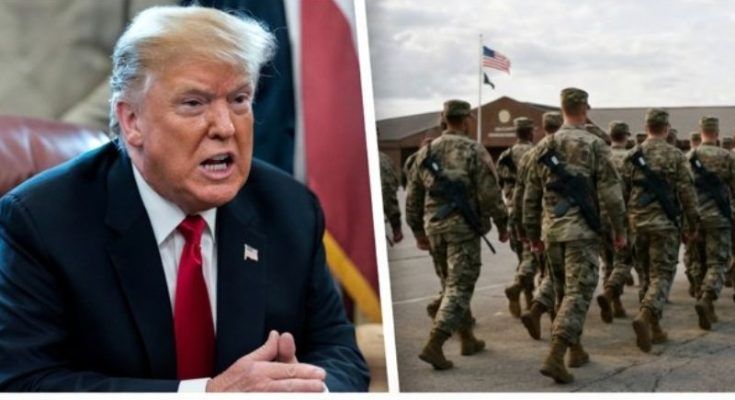
The scenario you describe reflects several real tensions currently shaping the crisis between the United States and Iran, but one important element remains unverified: there is no confirmed public evidence of a widespread U.S. military “walkout” or organized refusal of duty by American service members as of May 12, 2026. Claims circulating online about mass refusals appear to be rumor-driven at this stage and should be treated cautiously until verified by official military or government sources. What is well documented is the sharp escalation in rhetoric from Donald Trump regarding possible strikes on Iranian infrastructure, including bridges, power facilities, and energy systems. Multiple major outlets have reported statements in which Trump threatened broad attacks if Tehran failed to meet U.S. demands related to the Strait of Hormuz and nuclear issues.
Legal scholars and former military lawyers have warned that indiscriminate attacks on civilian infrastructure could violate international humanitarian law if civilian harm outweighs direct military necessity. Experts have emphasized that even “dual-use” infrastructure must be evaluated under proportionality standards established by the laws of armed conflict. Politically, criticism has intensified among Democratic lawmakers, including Chris Van Hollen and others who argue that escalation risks outpacing congressional oversight and war authorization procedures. Concerns about entering a prolonged regional conflict without a defined exit strategy are increasingly central to debate in Washington.
Strategic Implications and Diplomatic Concerns
Strategically, analysts note that attacks on national infrastructure often strengthen nationalist sentiment rather than weaken governments under pressure. Historical examples from past conflicts suggest civilian suffering can consolidate domestic support around leadership during external attacks, complicating diplomacy and prolonging instability. At the same time, diplomatic channels have not fully collapsed. Recent reporting indicates indirect negotiations and ceasefire discussions are still ongoing, although relations remain extremely fragile and both sides continue issuing threats.
The broader concern among international observers is that miscalculation – not necessarily deliberate intent – could trigger a much wider regional confrontation involving shipping lanes, oil markets, allied states, and proxy groups across the Middle East.