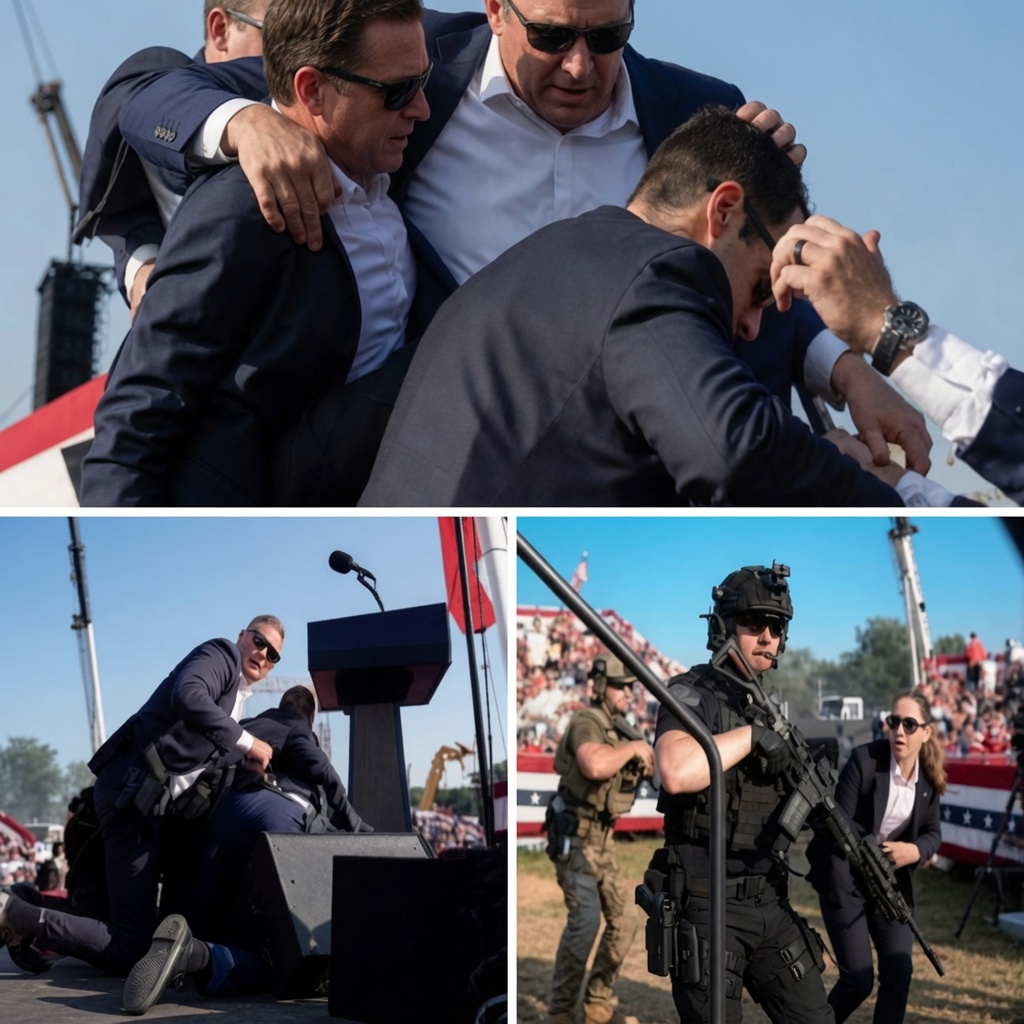
Alarm spread rapidly across social media after viral posts falsely claimed that Donald Trump had been “shot again” in Washington, D.C.. The dramatic wording immediately triggered fear, confusion, and intense speculation online. Supporters and critics alike reacted emotionally as the rumor quickly gained traction across multiple platforms. Yet as journalists and officials began examining the claim, it became increasingly clear that there was no factual evidence supporting the story. No credible news organization, law enforcement agency, hospital, or government office reported any such incident. In situations involving a former U.S. president, verified information normally emerges within minutes through major media outlets and official channels. The complete absence of confirmation from authorities, including the United States Secret Service, strongly indicated that the viral claim was entirely false.
Investigators and media observers believe the confusion was fueled by misleading social media content. Some accounts shared recycled video clips from older events, while others posted sensational headlines without evidence or clear sourcing. A number of posts appeared intentionally vague, encouraging users to speculate and share the claims before verifying them. In today’s fast-moving online environment, misinformation can spread across millions of screens long before accurate reporting catches up. Part of the panic may also be connected to the genuine 2024 assassination attempt against Trump during a rally in Butler. That attack shocked the nation and generated extensive media coverage, official investigations, and renewed debates about political violence and security. Since that event, public sensitivity surrounding threats against Trump has remained extremely high. As a result, even unverified rumors can quickly trigger widespread alarm and emotional reactions.
Impact of Misinformation
Experts warn that false reports involving prominent political figures are not harmless internet rumors. Misinformation can create unnecessary fear, overwhelm emergency services, and distract authorities from legitimate public safety concerns. Repeated exposure to fabricated stories also risks weakening trust in credible journalism and official communications. When people encounter conflicting claims online, it can become increasingly difficult to distinguish facts from emotionally charged fiction. Political analysts note that highly visible figures such as Trump are frequent targets of misleading or fabricated stories, especially during periods of political tension or major national events. Sensational claims are often crafted to provoke outrage, anxiety, or excitement because emotional reactions increase online engagement. Many misleading posts are designed primarily to generate clicks, views, and shares rather than provide accurate information to the public.
As the rumor continued spreading online, fact-checkers and journalists worked to clarify the situation. Multiple reputable sources confirmed that there had been no shooting involving Trump in Washington, D.C., or anywhere else. Authorities continued urging the public to rely on trusted news organizations and verified official statements when evaluating breaking news stories circulating on social media. The incident serves as another reminder of how quickly misinformation can travel in the digital age. A single unverified post can rapidly influence public opinion, spark panic, and dominate online conversations within hours. Careful verification, critical thinking, and responsible sharing remain essential tools for navigating modern information platforms. Before reacting emotionally or reposting dramatic claims, experts encourage users to pause, check reliable sources, and confirm whether the information is supported by verified evidence.