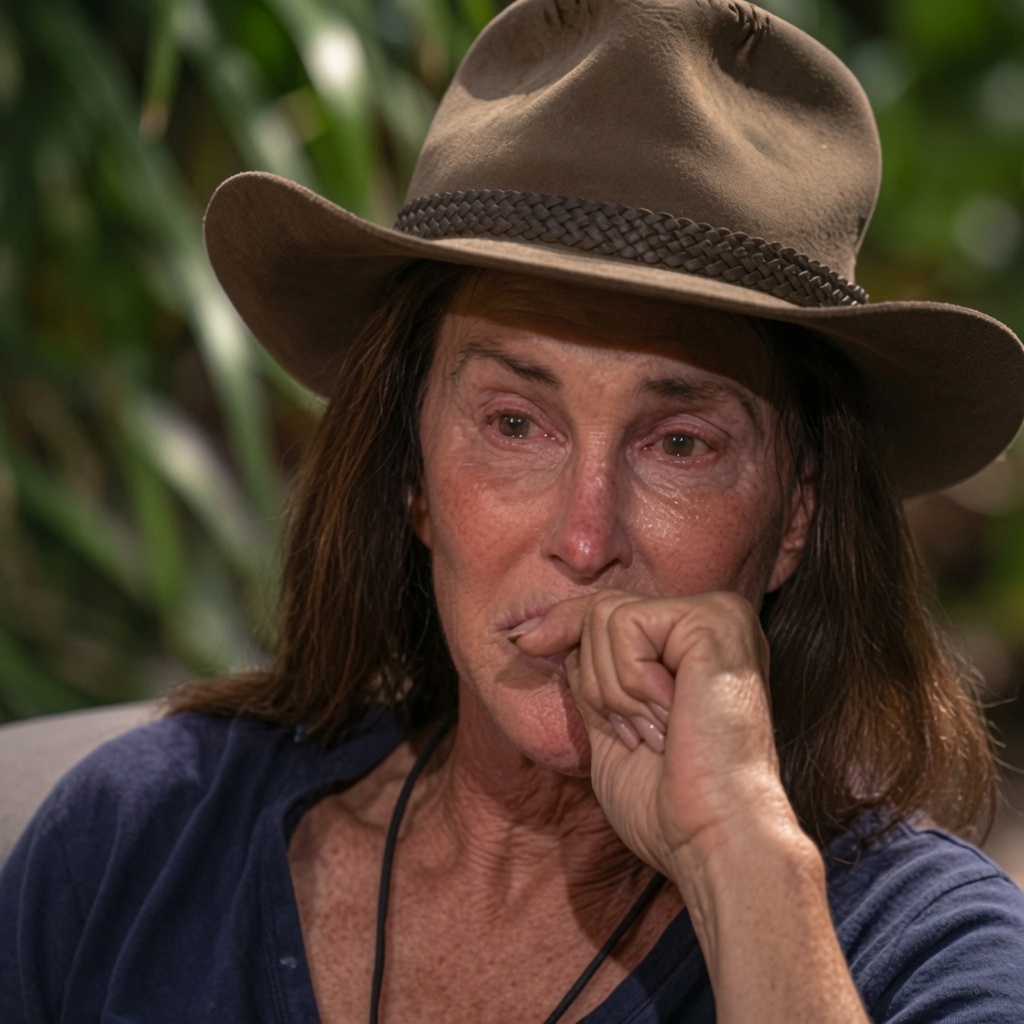
The gold medal was never her hardest race. Long after the cheers died, Caitlyn Jenner was trapped in a life built on the wrong name, the wrong body, the wrong truth. Fame only tightened the cage. Family, legacy, even love felt at risk if she finally spoke. When she did, every relationship hung by a thread. Winning Olympic gold was never the hardest battle Caitlyn Jenner faced. Long after the applause faded, she was living inside a public identity that did not match her private truth. To the world, she was a hero, a symbol of strength, discipline, and achievement. But behind that image was a much quieter struggle: the exhaustion of performing a life that earned admiration while burying something essential. Fame only made that burden heavier. The more visible she became, the harder it was to imagine stepping outside the role everyone already believed they understood. Family history, public legacy, and personal relationships all seemed to stand on the edge of fracture. Speaking honestly did not simply mean telling the truth. It meant risking everything attached to the life that truth might disrupt.
What many people saw was the headline version: an Olympic champion, a reality television figure, a polarizing public personality. What they did not always see was the private cost of living for decades in conflict with oneself. Long before transition, Jenner had already learned how to endure judgment. Dyslexia had forced her to navigate misunderstanding and self-doubt early in life. Later, that same resilience became part of what allowed her to face one of the most vulnerable and visible transformations imaginable. She stepped forward knowing acceptance was not guaranteed. And that may be what makes the story most human. The deepest fear was not only public reaction, but personal loss-the possibility that those closest to her might no longer know how to hold both the past and the present at once.
Family and the Transition Journey
For her children, the transition did not come without confusion, grief, or adjustment. It required them to wrestle with change in real time, while the rest of the world watched and commented from a distance. Yet the people who mattered most did not disappear. Their relationship did not remain untouched, but it endured. What survived was not a simple slogan about acceptance. It was something more difficult and more real: the willingness to stay present through discomfort, to keep loving through complexity, and to let memory and identity coexist without forcing one to erase the other. That is part of why the word