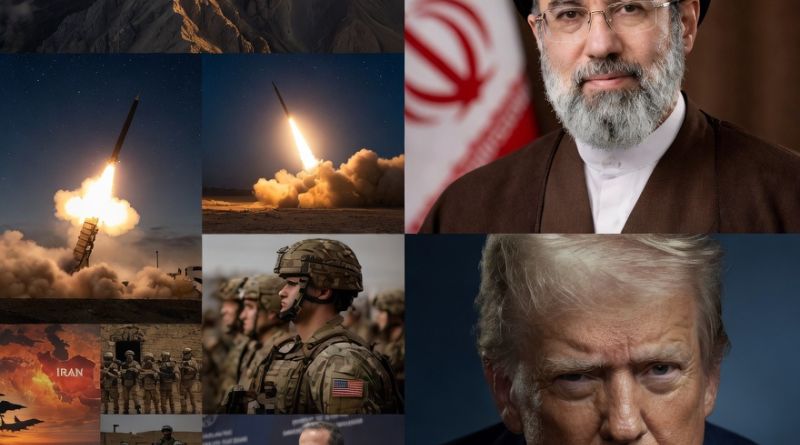
Viral social media posts claiming that Iran will attack the United States “tonight” and begin with a specific American state have spread rapidly online, causing fear and confusion among many readers. However, there is currently no verified evidence from credible government agencies or major news organizations supporting those alarming claims. Many of these posts use dramatic language such as “urgent,” “breaking,” or “continue reading below” to attract attention and encourage users to click, share, and react emotionally before checking the facts. Experts say this style of content is commonly associated with misinformation campaigns and online clickbait.
At the same time, tensions in the Middle East remain high. Israel has continued facing threats from armed groups and regional rivals during 2025, including rocket fire, drone attacks, and growing military concerns linked to Iran-backed organizations. These ongoing conflicts have increased fears of wider instability across the region.
Despite the heightened tensions, no official statements from the United States government, the Department of Defense, or international intelligence agencies have warned of an imminent attack on the American homeland. Security experts advise the public to rely on trusted sources rather than viral rumors spreading across social media platforms.
Verify Information Through Trusted Sources
People are encouraged to verify information through established news outlets and official government channels before reposting dramatic claims online. False reports can create unnecessary panic, spread confusion, and distract from real developments taking place around the world. Online misinformation often spreads fastest during periods of international uncertainty because emotional headlines attract more attention than carefully verified reporting.
Analysts warn that fabricated stories can influence public opinion, increase anxiety, and deepen political divisions across communities. Readers should remain cautious, avoid sharing unconfirmed screenshots or anonymous posts, and wait for updates from reliable journalists and official agencies before believing or spreading extraordinary claims about war or security.