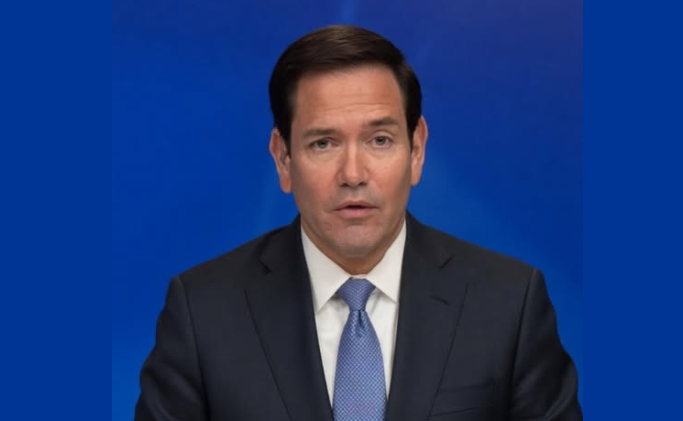
Secretary of State Marco Rubio said Friday that indirect diplomatic efforts aimed at easing tensions between the United States, Israel, and Iran are showing “a little bit of movement,” though he warned that negotiations remain fragile and time is limited.
Rubio stressed that while recent back-channel discussions have produced some encouraging signals, Washington is not yet ready to declare progress. He emphasized that the administration remains cautious and continues preparing alternative responses if diplomacy collapses.
A major obstacle remains Iran’s proposal to regulate commercial shipping through the Strait of Hormuz. Iranian officials have reportedly floated a framework requiring vessels to obtain authorization and comply with new transit rules before passing through the strategically vital waterway.
Rubio sharply rejected the concept, calling any form of “tolling system” unacceptable and illegal under international norms. He argued that no major global power supports such a move and warned it could derail any diplomatic agreement currently under discussion.
The Strait of Hormuz carries nearly one-fifth of the world’s oil exports, making it one of the most critical maritime chokepoints on earth. Concerns over potential restrictions have already unsettled energy markets and increased fears of broader economic disruption.
Behind the scenes, Pakistan has reportedly intensified mediation efforts. Pakistani Army Chief Syed Asim Munir is expected to hold consultations in Tehran as Islamabad attempts to preserve communication channels between Washington and Iranian officials.
Rubio also warned that the United States is actively considering a “Plan B” if Tehran refuses to fully reopen maritime access or continues escalating pressure in the region. While he did not specify what alternatives are being considered, his comments suggested military, economic, or multinational responses remain possible.
Regional tensions continue beyond the Gulf. Fighting between Israel and the Iran-backed organization Hezbollah has persisted in Lebanon despite a ceasefire framework brokered earlier by Washington. Lebanese health officials say thousands have been killed since renewed strikes began earlier this year.
At the same time, the European Union announced efforts to expand sanctions targeting individuals and entities involved in any blockade or restriction of the Strait of Hormuz, calling such actions contrary to international law. Proposed measures include travel bans, asset freezes, and financial restrictions.
Meanwhile, Bret Baier said President Donald Trump expressed “cautious optimism” that a diplomatic understanding with Iran could still be reached within days. However, Trump’s optimism appears tempered by Tehran’s new maritime proposal, which many U.S. officials believe would be impossible for Washington and its allies to accept.