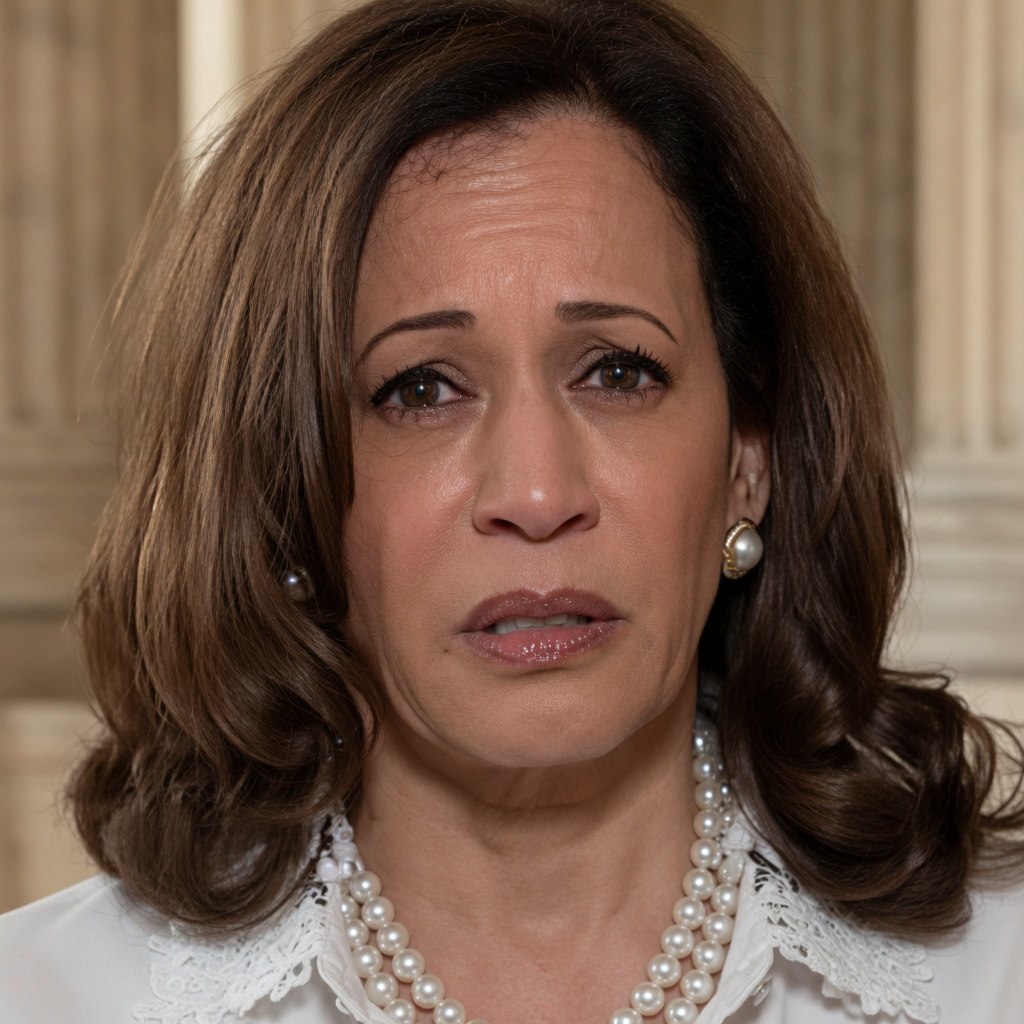
Just twenty minutes ago in California, Kamala Harris reached a political milestone the country has never seen. With the final votes tallied at the Democratic National Convention, she was officially confirmed as the Democratic Party’s nominee for President of the United States. The arena erupted – cheers, applause, waving signs, tears – all marking the historic weight of the moment. Harris, the first woman of color to lead a major party’s presidential ticket, stepped into the spotlight not as a running mate or second-in-command, but as the face of the Democratic Party heading into the November election.
The announcement closed the door on months of speculation and internal maneuvering that followed President Joe Biden’s sudden decision to step aside. Biden’s endorsement of Harris had cleared the field in theory, but the party still needed the formal vote – and it delivered. Fast. Decisive. Unanimous enough to show unity, even if not everyone in the room had been thrilled with the process leading up to it.
Harris now carries the full weight of a party that’s been pulled in different directions for years. Her campaign is expected to hammer three themes relentlessly: reproductive rights, economic fairness, and climate policy. These aren’t new issues, but Harris is preparing to package them with sharper edges than the administration ever did. Her advisers are signaling a more aggressive messaging strategy – one that directly contrasts with the Republican candidate and forces voters to consider not just policy differences, but differences in temperament, worldview, and approach to leadership.
Building Support Amid Divisions
Supporters believe this is Harris’s moment. They see her as charismatic, battle-tested, and capable of energizing young voters and moderates who drifted away in recent cycles. For many women, especially women of color, her nomination feels deeply personal. Grassroots organizations and progressive groups erupted in celebration almost immediately – watch parties turning into impromptu rallies, social feeds flooded with historic comparisons and messages of pride.
But optimism isn’t the whole picture. The road ahead is brutal. Harris inherits a party that’s been strained by ideological divisions – progressives frustrated with centrist decision-making, moderates worried about losing middle-America independents, and long-time Democrats tired of internal bickering. She has to bring all of them under one roof while also reaching undecided voters who feel politically burned-out, skeptical, or flat-out distrustful of both parties.
Within minutes of her nomination becoming official, conservative commentators were already framing the election as a referendum on the Biden-Harris years – inflation, immigration, foreign policy, crime, you name it. They’re painting Harris as nothing more than an extension of the administration’s perceived weaknesses, while her campaign insists she’ll chart her own course. Polls heading into the fall suggest a close race – razor thin in swing states, unpredictable in battleground suburbs, and volatile nationally.
The Road to November
Harris has strong support among younger voters, college-educated women, and minority communities, but struggles with older voters and those frustrated by economic uncertainty. Her Republican opponent polls strongly on