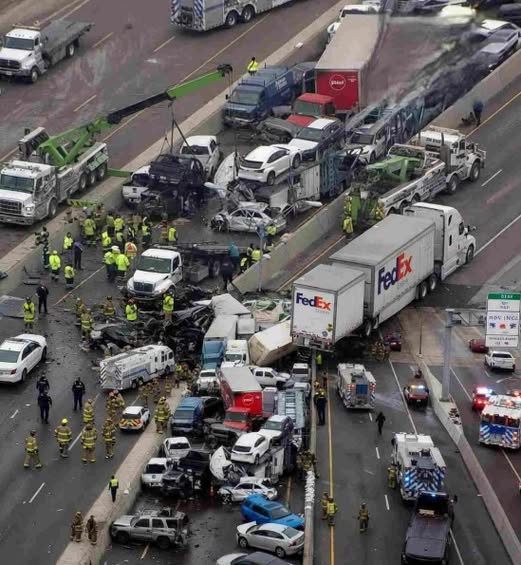
What began as an ordinary day quickly turned into one of the deadliest tragedies the community had ever faced. In a matter of moments, normal life was replaced by chaos, fear, and unimaginable loss. More than 65 people lost their lives in a catastrophic event that has left behind heartbreak, unanswered questions, and a community struggling to comprehend what happened. People were going about their routines as they always had. Families were together, workers focused on their jobs, and daily life moved forward without any sign that disaster was approaching. Then, within seconds, everything changed.
Emergency crews rushed to the scene almost immediately after the first reports came in. What they encountered was overwhelming. Debris, confusion, and panic created conditions that made rescue efforts extremely difficult. First responders worked desperately to reach survivors, provide medical assistance, and secure the area, but the scale of the devastation quickly became clear. Despite every effort, many lives could not be saved.
As news spread, families faced a painful and uncertain wait for information. Phone calls, messages, and social media posts carried fragments of updates that gradually revealed the true magnitude of the tragedy. Each confirmed victim represented not just a number, but a life filled with relationships, memories, ambitions, and people who loved them.
Investigation Underway Into Cause of Disaster
Authorities immediately began investigating the cause of the disaster. Teams of experts, safety officials, and investigators started examining every possible factor to determine how such a catastrophic event could occur. Early reports suggested there may not be a single explanation. Mechanical failure is one possibility under review. Human error has also not been ruled out. Environmental conditions may have contributed as well. Officials stressed that determining the exact cause would require a thorough and careful investigation. Understanding what happened is considered essential not only for accountability, but also for preventing a similar tragedy in the future.
Witnesses described scenes of confusion and terror. Many recalled hearing sudden impacts, seeing destruction unfold instantly, and watching people desperately try to help one another before rescue teams arrived. Some survivors assisted the injured despite the danger around them. Others stood frozen in disbelief, unable to fully process what they were seeing. For first responders, the experience was equally traumatic. They faced impossible conditions where every second mattered and every decision carried enormous weight. Their focus remained on rescue, stabilization, and saving as many lives as possible, but situations of this magnitude often leave lasting emotional scars even on trained professionals.
Community Grieves and Seeks Support
As the immediate emergency response began to end, the focus shifted toward recovery and mourning. Vigils and memorial gatherings appeared throughout the community as residents searched for ways to grieve together. Candles were lit, flowers were placed, and moments of silence became shared expressions of sorrow. Support quickly extended far beyond the local area. Messages of sympathy spread across social media as people from around the country and the world expressed condolences to the victims’ families and survivors. The tragedy resonated deeply because it demonstrated how quickly ordinary life can be shattered without warning.
Mental health professionals and counseling services were made available soon after the disaster. Survivors, relatives, and even witnesses were encouraged to seek emotional support as they struggled with trauma, grief, and shock. Events like this often continue affecting people long after the headlines fade.
In the days following the tragedy, public discussion increasingly focused on prevention and accountability. Lawmakers, safety experts, and advocacy groups began calling for comprehensive reviews of existing regulations, oversight procedures, and possible safety failures that may have contributed to the disaster.
Long Road to Healing Ahead
Communities affected by catastrophic loss are changed forever. Daily routines no longer feel the same. Conversations shift. Ordinary places become reminders of what happened there. For many families, the hardest reality is how sudden the tragedy was – the realization that life was divided permanently into “before” and “after.” But for those who lost loved ones, no investigation can restore what was taken away.
At the center of the tragedy remain the lives that were lost, the families left behind, and the stories that ended far too soon. As the community begins the long process of healing, there is also a growing determination to ensure the lessons from this disaster are not forgotten. Because while the past cannot be changed, the future still can be shaped. And in the aftermath of such profound loss, that responsibility has never felt more urgent.