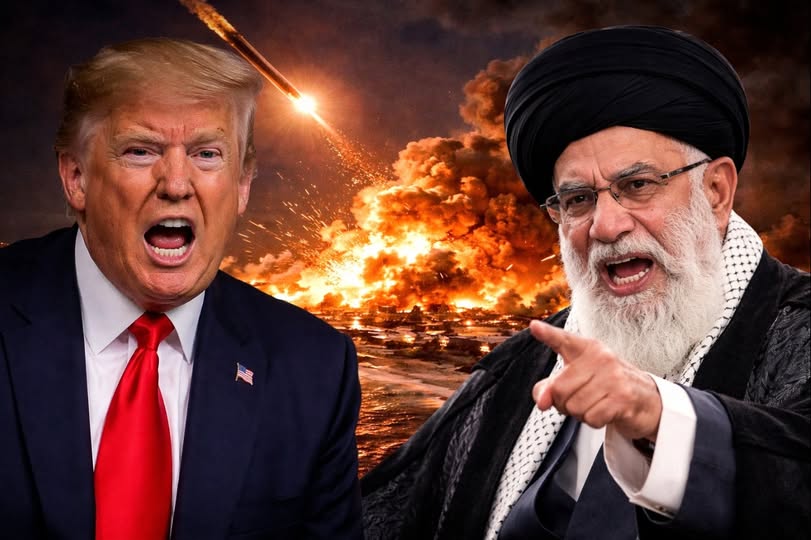
A storm of fire nearly ignited one of the world’s most dangerous waterways. What began as a routine U.S. naval transit through the strategically vital Strait of Hormuz reportedly escalated within minutes into a high-stakes exchange of missiles, electronic countermeasures, and retaliatory strikes. Financial markets reacted instantly, military command centers across the region moved to heightened alert, and foreign policy analysts quietly repeated a single concern: escalation. For a brief moment, the line between deterrence and regional war appeared dangerously thin.
On March 1, 2026, the long-familiar pattern of warnings, shadowing maneuvers, and tense radio exchanges in the Gulf seems to have given way to the realities of modern combat. According to emerging reports, anti-ship missiles were launched from positions along the Iranian coastline toward U.S. naval assets transiting the narrow corridor. American destroyers and defense systems reportedly responded within seconds, launching interceptors while electronic warfare platforms attempted to disrupt targeting systems and radar guidance.
No U.S. vessel was reportedly hit, but the absence of casualties did little to diminish the seriousness of the confrontation. Military observers noted that even a single successful strike inside the Strait of Hormuz—a chokepoint through which a significant portion of the world’s energy supply passes—could have triggered a rapid international crisis with consequences extending far beyond the Gulf.
The U.S. response came swiftly. Suspected missile launch sites and radar installations tied to the attack were reportedly targeted in precision counterstrikes intended to neutralize immediate threats without widening the conflict further. Yet every destroyed launcher and every disabled defense battery intensified the larger strategic question hanging over the region: how close had the Middle East come to a broader war?
In such a confined and heavily militarized waterway, the danger of miscalculation is constant. Seconds determine outcomes, and assumptions can become irreversible decisions. Defense analysts are likely to study this encounter for years—not merely as an isolated clash, but as a stark warning about how rapidly routine military operations can spiral toward catastrophe when rival powers operate under extreme pressure and mutual suspicion.
Whether this episode becomes remembered as a contained act of brinkmanship or the final warning before a much wider confrontation may now depend entirely on the restraint, judgment, and diplomacy of leaders on all sides.