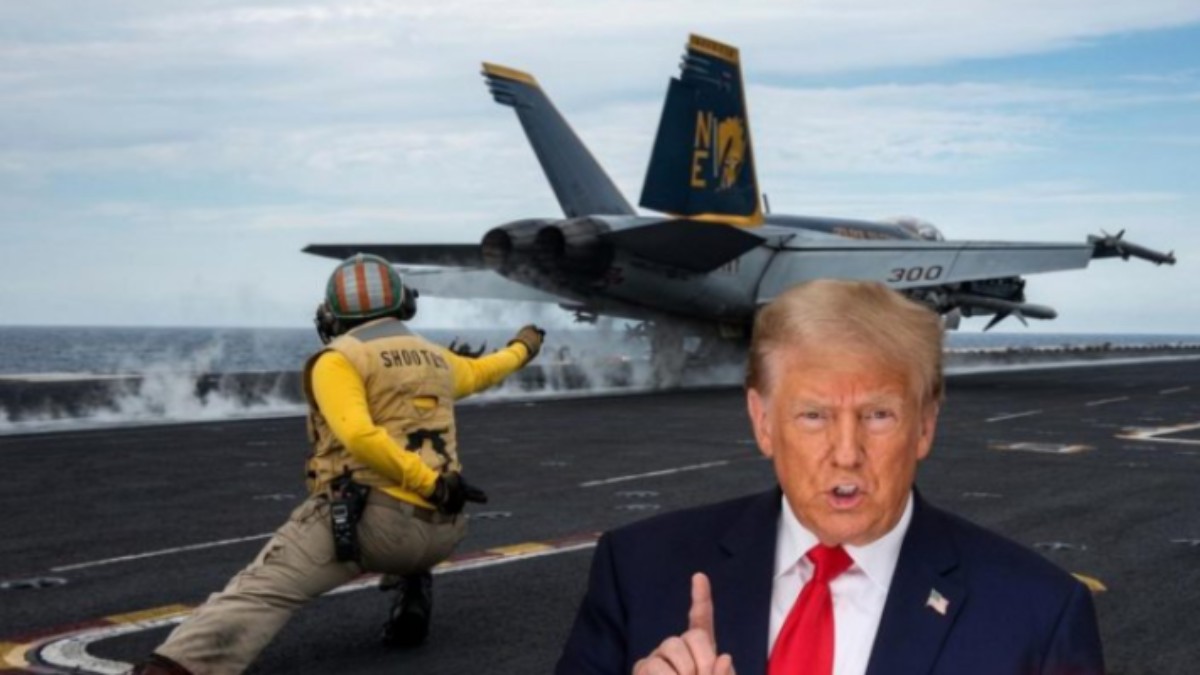
The United States is bracing for a potential military response after Iran shot down an American Apache helicopter in the Strait of Hormuz, marking an escalation in tensions between Washington and Tehran.
The incident occurred as diplomatic efforts between the two nations have stalled in recent weeks. Both pilots were recovered safely, but the attack has reignited calls for a harder line against Iranian military operations in the region.
The Helicopter Incident Triggers New Warnings
U.S. military officials confirmed that Iranian forces downed the advanced helicopter during routine patrol operations near the strategic waterway. The downing represents a direct challenge to American military presence in waters critical to global shipping and energy supplies.
The incident follows months of escalating rhetoric and military posturing between the two countries. Defense officials are now reviewing response options and considering next steps for operations in the region.
Iran Doubles Down With Defiant Rhetoric
Iranian Foreign Minister Seyed Abbas Araghchi responded to the situation by calling for foreign military withdrawal from the area. “Iran prefers the language of diplomacy. However, as our Brave Warriors have shown to the world, we know how to speak other languages too,” Araghchi posted on social media.
The Iranian official disputed U.S. claims about the strait’s international status, saying it is “NOT international waters but shared between Iran and Oman.” He argued that foreign military presence in the region increases the risk of accidents and miscalculations.
Araghchi warned that “foreign forces in proximity to our territory are at constant risk on account of their own human errors, plain accidents, or potentially being caught in crossfire.” The Foreign Minister suggested the best path forward is immediate withdrawal of non-Iranian military assets from the area.
Foreign forces in proximity to our territory are at constant risk on account of their own human errors, plain accidents, or potentially being caught in crossfire.
To reduce risk, best solution is for them to leave.
We prefer language of diplomacy but speak other languages too. pic.twitter.com/5DDgHAscBj
— Seyed Abbas Araghchi (@araghchi) June 9, 2026
Tensions Remain High as Talks Stall
The exchange reflects deeper divisions over regional security and the future of U.S.-Iran relations. Previous diplomatic initiatives have failed to produce lasting agreements on key security issues.
Military analysts suggest the helicopter incident may represent a turning point in the conflict’s trajectory. Both sides appear locked in a cycle of escalation with limited diplomatic off-ramps currently available.
This story has been updated. CNN’s Staff contributed to this report.